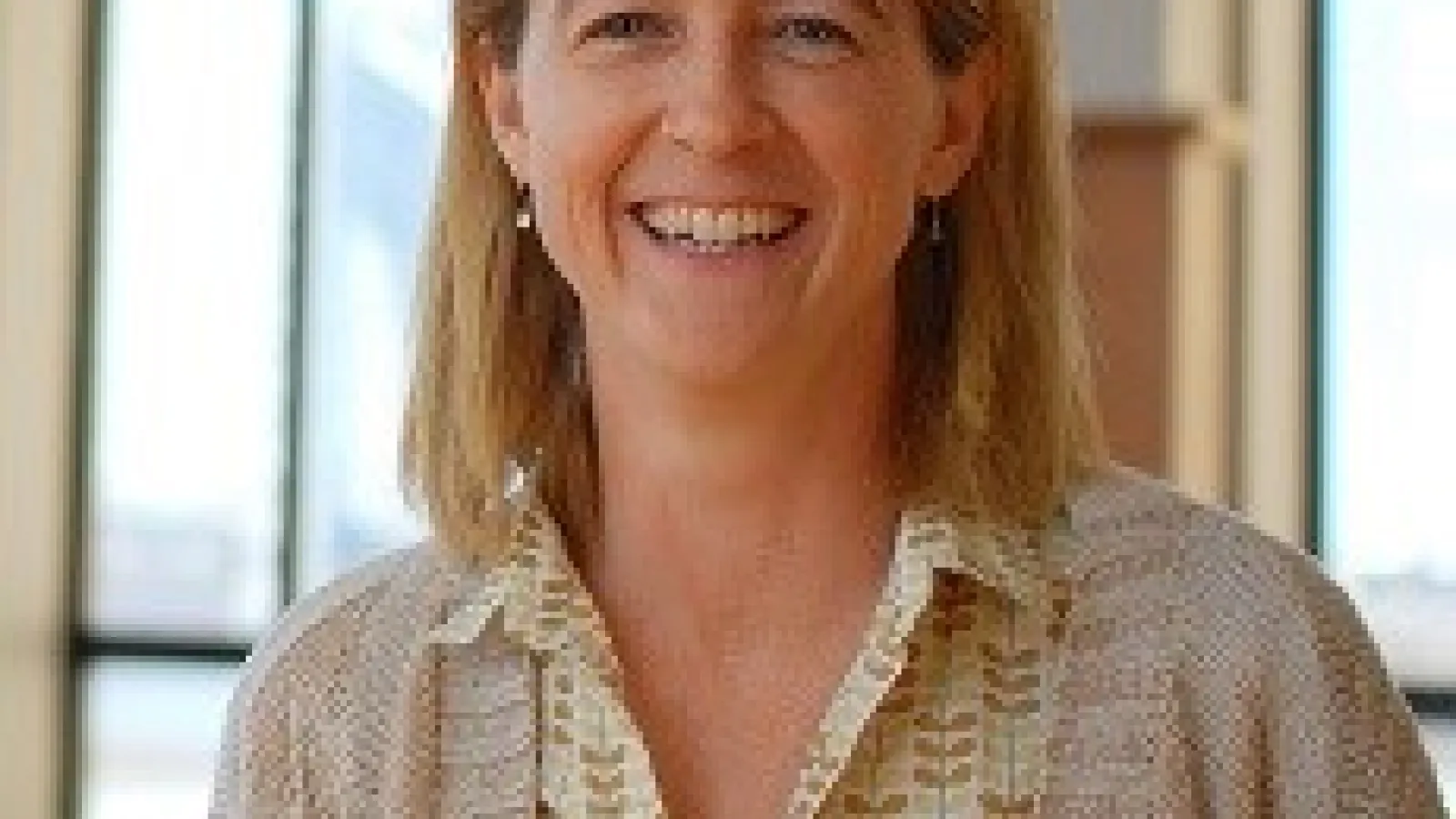
Dr. Melanie M. Wall
Department of Biostatistics, Mailman School of Public Health
Director of Mental Health Data Science in the Department of Psychiatry, Columbia University Medical Center and the New York State Psychiatric Institute
Title: Incorporating intersectionality using latent class analysis within health contexts
Abstract: Intersectionality posits that social categories (e.g. race, gender, sexual orientation) and the forms of social stratification that maintain them (e.g. racism, sexism, homophobia) are interlocking, not discrete. An intersectionality framework considers harms and oppression and also privileges and unearned advantages. By focusing on intersectionality, we can examine axes of social power that underlie our overall health and the systems that support it with the goal of identifying levers for change. A recent systematic review (Bauer et al 2022 Social Psychiatry and Psych Epi) demonstrated a growing use of latent variable methods including latent class analysis for applications of intersectionality. Latent class analysis (LCA) has been described as a "person-centered" approach as it clusters within-individual characteristics seen to be appropriate to intersectionality. In the present talk, I will demonstrate the use of LCA for combining intersecting social positions with multiple factors characterizing an initial mental health encounter. The example comes from a study of ethnoracial disparities in coordinated specialty care for people with psychosis. Clusters were identified based on the first-contact experience (i.e., referral source, type of first mental health service contact, symptoms at referral) in combination with sociodemographic variables impacting an individual’s social position (age, gender, ethnoracial group, language proficiency, sexual orientation, living situation, type of insurance, homelessness, and urbanicity). Visualizations of intersectional cluster results and comparisons between the LCA approach and analyses focused on each variable separately will be presented.
Dr. Wall is Director of Mental Health Data Science in the New York State Psychiatric Institute (NYSPI) and Columbia University psychiatry department. She oversees a team of 14 biostatisticians collaborating on predominately NIH funded research projects related to psychiatry. She has worked extensively with modeling complex multilevel and multimodal data on a wide array of psychosocial public health and psychiatric research questions in both clinical studies and large epidemiologic studies (over 300 total journal publications). Her biostatistical expertise includes latent variable modeling (e.g. factor analysis, item response theory, latent class models, structural equation modeling), spatial data modeling (e.g. disease mapping), and longitudinal data analysis including the class of longitudinal models commonly called growth curve mixture models. She received a Ph.D. (1998) from the Department of Statistics at Iowa State University, and a B.S. (1993) in mathematics from Truman State University. Before moving to Columbia University in 2010, she was on faculty in Biostatistics in the School of Public Health at the University of Minnesota.