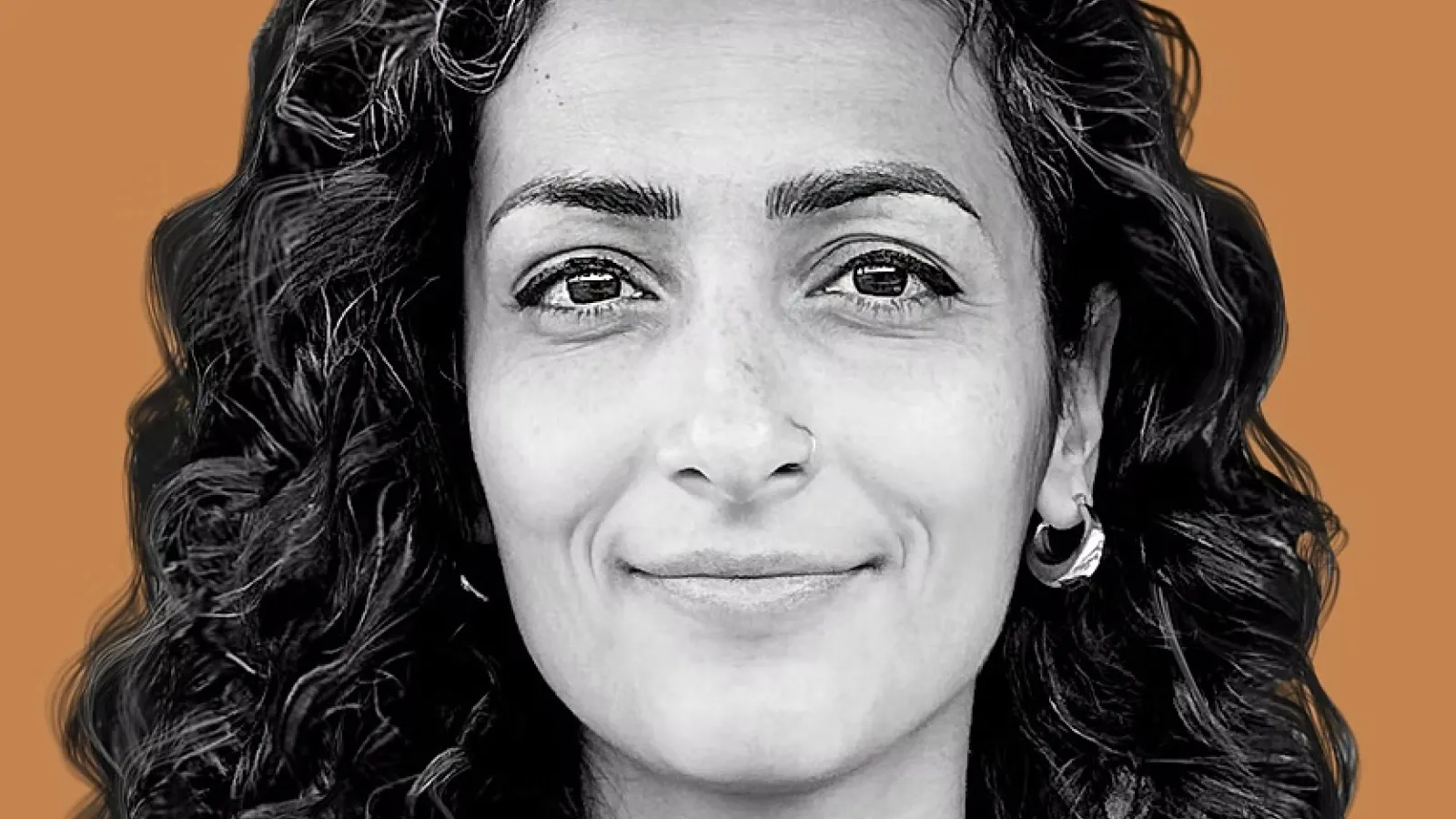
Join the Developmental Psychology area for a talk by Dorsa Amir (Duke University)!
Title: Culture & Cognitive Science
Abstract: Culture and cognition are deeply intertwined: culture both shapes cognition and is shaped by cognition, in turn. How do we gain traction on the study of this complex and dynamic process? In this talk, I offer a number of directions for the study of culture in cognitive science. I’ll first present a brief sketch of the historical backdrop, then share a number of theoretical and methodological approaches, including a new typology of classifying culture’s effects of cognition. I’ll next turn to my own empirical work conducted across societies to illustrate these ideas in practice. I’ll present data on the development of cooperative behavior, the link between moralization and identity, and consider whether cultural inputs can penetrate core processes such as visual perception, using the Müller-Lyer illusion as a case study. I’ll also touch on how cognition shapes culture, focusing on lifespan shifts in cognitive priorities and children’s role in generating peer culture. Taken together, this work aims to reintegrate the study of culture into cognitive science as an essential tool for understanding the mind.
About Dorsa Amir: Dr. Dorsa Amir is an Assistant Professor of Psychology & Neuroscience at Duke University. Her research explores the dynamic relationship between culture and cognition, combining tools from developmental psychology, anthropology, and behavioral economics to better understand how these forces interact. Along with her research team at the Mind & Culture Lab and dozens of collaborators, she works with children and adults all across the globe, with a focus on those living in small-scale societies.
The Developmental Seminar Series area features both internal and external speakers who are experts in a wide range of topics including the development of cognition, perception, learning, emotional processing, and social relationships.
For more information, contact Developmental Psychology area coordinator Zeynep Saygin.